Take Action
Email Mayor Mamdani and City Council leaders and tell them to include $3 million in the FY 2027 budget to ensure students in foster care can get to school.
This brief highlights key educational indicators for the 6,650 New York City students who spent time in foster care during the 2024–25 school year. The data, which were obtained from New York City Public Schools by AFC, show stark disparities between students in the foster system and their peers and illustrate the critical importance of school stability for this population.

Some key findings from the brief include:
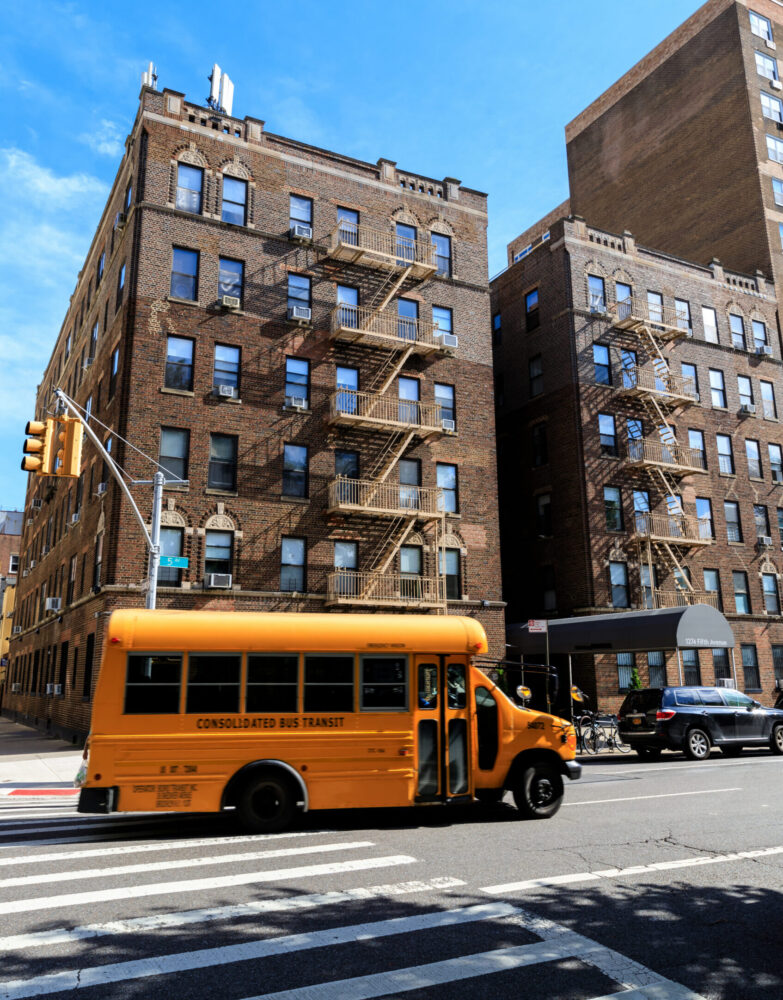
While students in the foster system have complex educational needs and face a multitude of barriers that lead to these grim outcomes, one contributing factor is the City’s longstanding failure to provide timely transportation to students when they enter foster care or change foster homes. Under both state and federal law, the City is required to provide transportation to students in foster care so they not have to switch schools while simultaneously dealing with the trauma and uncertainty of being separated from their home and family. In practice, however, it can take weeks or even months for NYCPS to arrange bus service. In the interim, the City offers a prepaid rideshare option, but this alternative only kicks in after students have been waiting for a bus for at least ten school days — at which point they may have missed two weeks of instruction. And even then, rideshare is not always feasible, as it requires an adult to accompany the student, something that is often impossible for foster parents who have jobs or other children attending schools in different neighborhoods.
“School can be a safe haven for students in foster care at a moment of enormous stress and instability in their lives — but only if they have a way to get there. Busing might appear to be a minor logistical matter, but for students in the foster system, it’s a lifeline.”
Maria Odom, AFC’s Executive Director
More than two dozen organizations, including AFC, are calling on Mayor Mamdani and the City Council to build on the recent efforts of NYCPS’ Foster Care Office to ensure students in the foster system can access a quality education by investing $3 million in the FY 2027 budget to provide interim transportation for students in foster care awaiting yellow bus service. The City could, for example, use mini-vans owned by current school bus companies for students in foster care; expand the use of existing Administration for Children’s Services (ACS) or city-owned vehicles; or contract with transportation providers that use vetted drivers and do not require chaperones.
“It’s painful to watch children miss weeks of class, be forced to leave familiar teachers and friends behind, or endure unnecessary changes in foster care placements simply because they have no way to get to school from their foster home,” said Erika Palmer, Director of AFC’s Project Achieve, which focuses on the educational needs of students in the foster system. “The City has a responsibility to ensure that children in its custody have uninterrupted access to school.”
View the press release as a PDF
June 22, 2026
MEDIA COVERAGE
Email Mayor Mamdani and City Council leaders and tell them to include $3 million in the FY 2027 budget to ensure students in foster care can get to school.