The ARISE Coalition Calls for Investments in Special Education
The ARISE Coalition (coordinated by AFC) sent an open letter to Mayor Mamdani, urging the City to make the long overdue investments needed to give all New York City students with disabilities the education they deserve.
The letter comes in response to the Mayor’s May 2026 remarks addressing rising special education due process costs, where he emphasized the need for New York City Public Schools (NYCPS) to “deliver [NYC students] the kind of education that would mean their families don’t have to consider going to a private school system to receive them.” It is the City’s legal obligation to provide every student with a disability with a free, appropriate public education through a combination of personalized instruction and sufficient support services for them to benefit meaningfully from the instruction, and the letter notes that it is only when the City does not meet this legal obligation that parents pursue burdensome due process claims for private special education so their children can get the support they need.
Last year, ARISE released a set of recommendations for better serving the approximately 250,000 preschool and school-aged students entitled to special education services mandated by their IEPs. Each of these recommendations represents an opportunity to close the kinds of gaps which lead families to pursue special education programs and services in private school settings. Many require robust investments.
To better support students with disabilities in the public schools, the coalition urges the City to:
- Hire qualified teachers and providers required to provide mandated special education programs and services to students across grade levels at their schools
- Increase reimbursement rates for Related Services Authorizations, so students can receive mandated services from independent providers when their schools are unable to provide those services
- Ensure there are sufficient evaluators to provide timely special education evaluations for referred students
- Expand access to effective, targeted literacy intervention for students with dyslexia or other disabilities who need more support learning to read, including middle and high school students
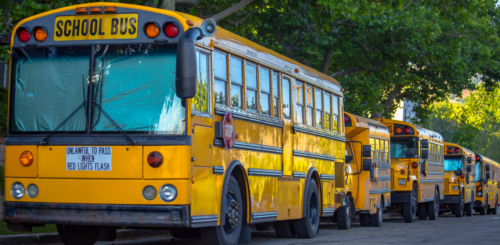
- Ensure equitable and reliable transportation services, including addressing service delays and other inadequacies for students with disabilities
- Promote equitable access to afterschool programs, including providing busing after school for students with IEP-mandated bus service
- Promote opportunities for parents, caregivers, and students to meaningfully engage with their school communities through access to information, trainings, relevant resources and specialized support staff, including meaningful language access and culturally responsive communication so that all families, regardless of their primary language, can fully understand their rights, participate in decision-making, and access appropriate services for their children
- Expand access to work-based learning, vocational programs, transition assessments, travel training and additional programming to promote post-secondary success for students with disabilities
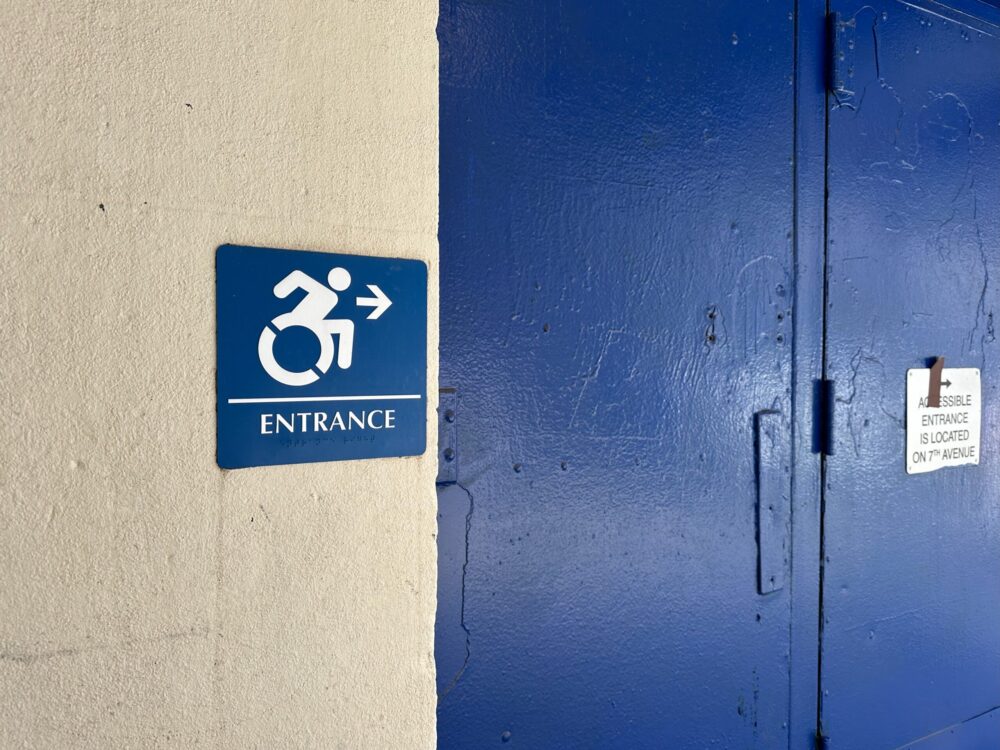
- Make school buildings accessible for students, families, staff, and community members with physical disabilities
Addressing gaps also requires the City to restore and baseline funding for programs serving students with disabilities that are set to lose funding this July, including the Sensory Exploration, Education & Discovery (SEED) Program, the Mental Health Continuum and Restorative Justice.