NYC sends 30% of students with emotional disabilities to segregated schools. Is this program a way out?
تشاك بيت
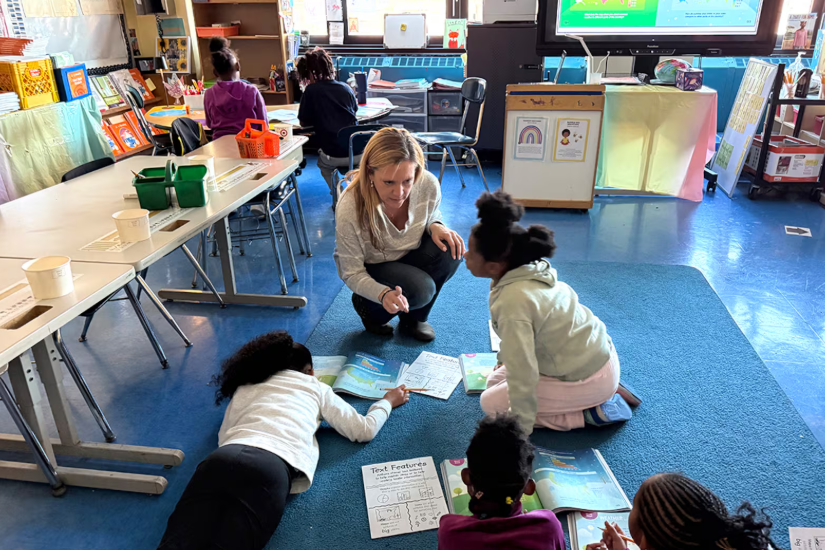
In the Path program, the goal is to help kids learn to manage challenging behaviors while keeping them integrated with general education classmates. Outcomes are promising, educational officials say, but the program is resource-intensive and remains very small. This year, the program costs about $14 million to operate 35 Path classrooms in prekindergarten through eighth grade. Each classroom serves 16-20 students, four of whom are classified as having emotional disabilities. Students have two teachers and daily support from a social worker and occupational therapist, all of whom are trained in evidence-based emotional and behavioral support for kids. Staff meet weekly with coaches from New York University’s Trauma Informed Schools Institute, who observe classrooms, get to know students, and help develop strategies for each child.
Advocates say the investment is worth it and believe that it will pay off with a rise in graduation rates for students with emotional disabilities. Many would like to see the Path approach expanded, especially for older students who they say are less supported and more likely to land in jail.
Without training and resources, schools turn “to the tools that they have, which are unfortunately suspensions and discipline and getting the school safety agents involved,” said Rohini Singh, the director of the School Justice Project at Advocates for Children.