AFC Testifica sobre el Presupuesto Preliminar de la Ciudad de Nueva York para el Año Fiscal 2027 – Niños y Jóvenes
Today, AFC is testifying at the New York City Council Preliminary Budget Hearing on Children and Youth, calling on the City to invest $3 million to provide interim transportation for students in foster care waiting for bus service to begin.

When a student is placed in foster care, they are already facing countless disruptions, uncertainty, and trauma. They should not also have to worry about whether they can stay in the school where their teachers and classmates know their name—or how they will get there.
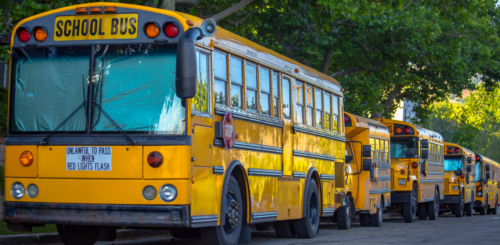
The City has a legal obligation to provide transportation to students in foster care so they can stay at their original school. However, it can take weeks or even months for New York City Public Schools (NYCPS) to arrange bus service.
The City does offer prepaid rideshare when there is no bus available, but only after students have already waited at least ten school days. Even once it’s offered, rideshare is not always feasible, as an adult must accompany the student—a task that is often impossible for foster parents with jobs or other children in the home who attend schools in totally different communities. While the City also offers transportation reimbursement, it will not reimburse for the cost of a chaperone, and the daily reimbursement cap is often insufficient to cover rideshare services that include a vetted chaperone or longer cross-borough trips.
Consequently, many students in foster care miss school or are forced to transfer schools even though it is not in their best interest to do so. Last school year, 55% of students in foster care were chronically absent—missing at least one out of every ten school days—and one in five transferred schools at least once during the school year.
Existen soluciones factibles. Por ejemplo, la Ciudad podría contratar proveedores de transporte que utilicen conductores verificados y no requieran chaperones adicionales (como Kid Car, que opera en Nueva York, u HopSkipDrive, utilizado por distritos como Los Ángeles); utilizar vehículos de la ACS u otros vehículos de propiedad de la ciudad que incluyan escoltas, como se hace para los estudiantes ubicados en el Children’s Center; lanzar un servicio de transporte provisional dedicado para los estudiantes que esperan rutas de autobús; contratar asistentes para acompañar a los estudiantes que utilizan servicios de transporte compartido; o, como mínimo, reembolsar los costos de los chaperones y aumentar el límite de reembolso diario para cubrir viajes más largos y servicios como Kid Car.
The City must do more to ensure that students in foster care have uninterrupted access to school at a critical moment in their lives and invest $3 million to provide interim transportation for students in foster care awaiting bus service.